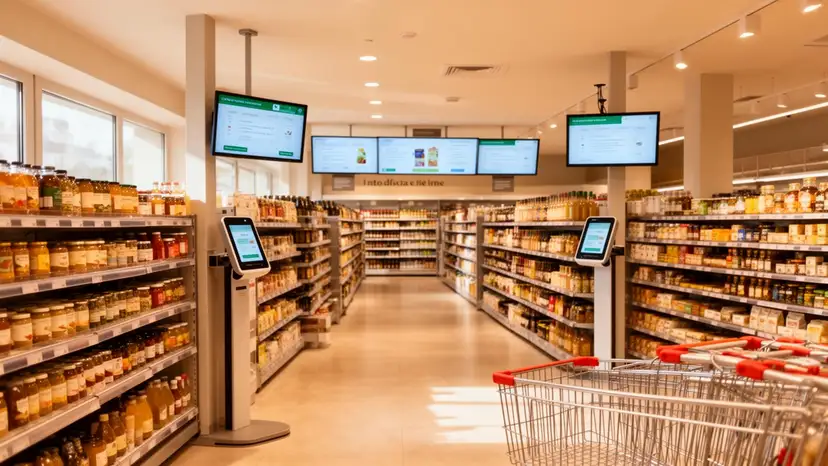
Walk into an Italian supermarket in 2026 and the first impression is of a fully digital industry: self-checkouts, loyalty apps, dynamic signage. But step behind the scenes and the picture fragments fast. Italian grocery digitalization moves at very different speeds, and the bottlenecks aren't where most people think.
Customer-facing: mature and visible
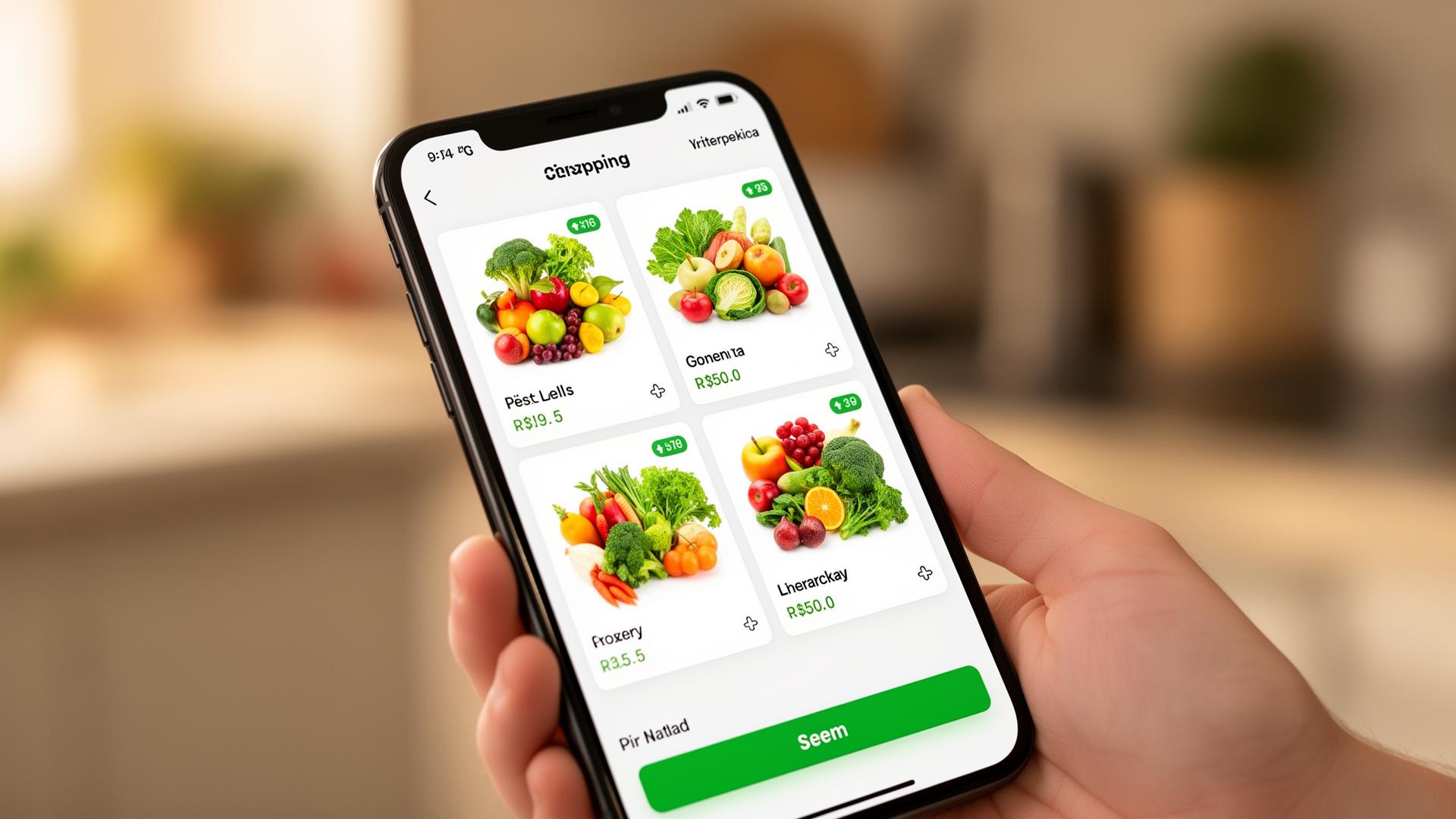
On the customer-facing side, the past five years brought huge acceleration. Almost every brand now has a loyalty app, a digital couponing system, self-checkouts and — increasingly — click & collect or home delivery via third-party platforms.
Promotional communication has moved online too: the interactive flyer has replaced print almost everywhere as the primary channel. Print is still around, but as a complement — no longer the centerpiece of the media plan.
Internal operations: spotty
Behind the registers, the picture changes radically. Most back-office processes in Italian grocery remain poorly integrated. Warehouse systems talk badly to staff scheduling; category management runs in parallel to pricing; promotional planning still flows through Excel files emailed between HQ and individual stores.
It's not a technology problem — everything needed exists. It's an integration and data-governance problem.
The three highest-friction areas
- Price and availability sync across ERP, e-commerce and promo channels still requires daily manual work in many cases.
- Two-way communication with stores: HQ pushes, stores receive. But sell-out data flows back days later, making in-flight reaction nearly impossible.
- Local promo management: every chain runs dozens of active promotions across different store clusters. Coordinating them without a centralized CMS is an endless source of error.
What's actually missing
From conversations with marketing and IT directors across grocery chains, three gaps come up repeatedly.
1. A source of truth for commercial content
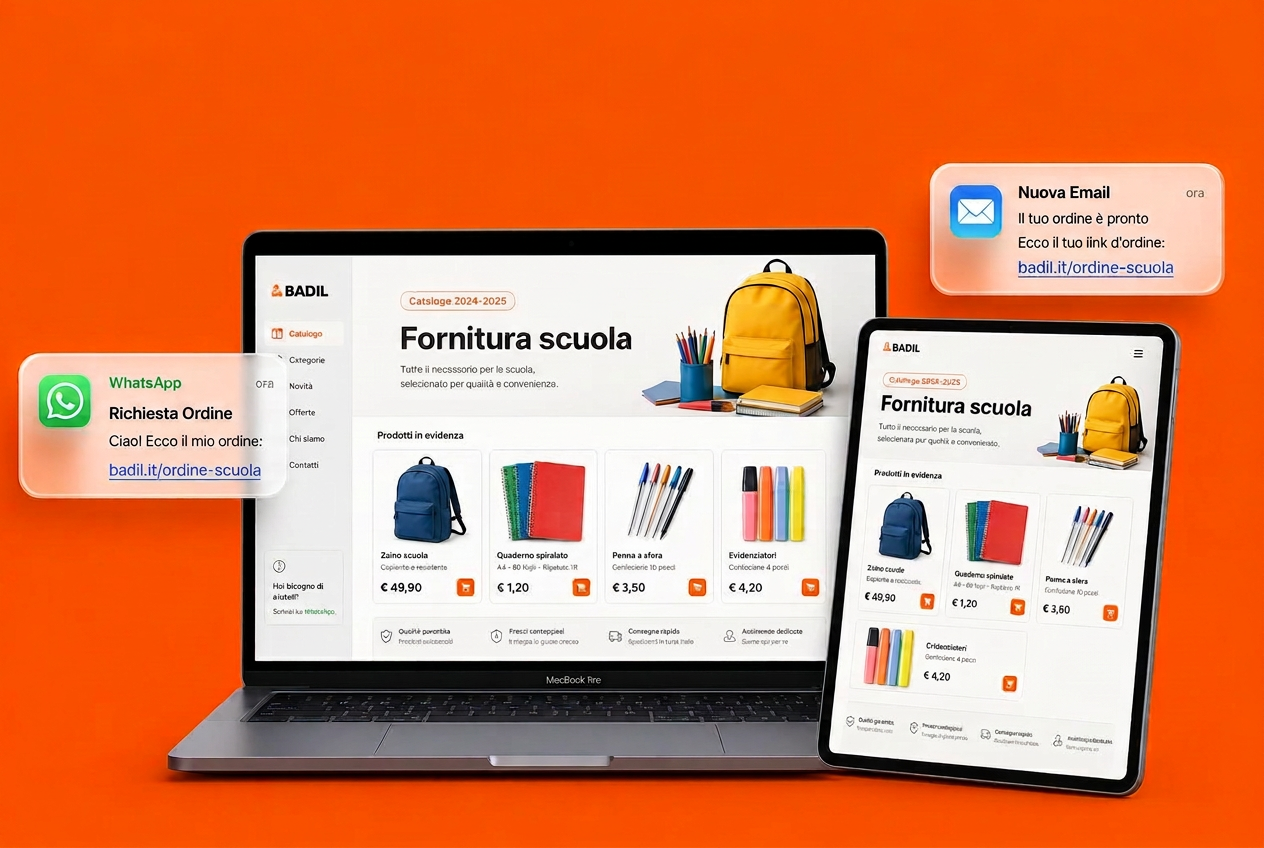
Flyers, product pages, app push notifications, social posts, WhatsApp messages: today they often live in separate systems that barely talk. The result: the same price can be different on three channels at the same time. A central commercial CMS — like inpublish — solves exactly this.
2. Granular effectiveness measurement
Knowing how much a promotion sold in total is easy. Knowing how much it sold in that one store, in that time window, for that customer cluster — much less so. Yet that's where the line between profitable and loss-making promotions is drawn.
3. Tools for non-IT users
Marketing managers and category managers don't want to depend on IT for every change. They need interfaces that let them tweak an offer, launch a campaign or update a price autonomously — with process guardrails in place.
Where to go in the next 24 months
You don't need a multi-million plan. The chains we see accelerating fastest are doing a few things, but doing them well:
- Centralizing commercial content in a single CMS that auto-generates flyer, site pages, push and social content.
- Investing in ERP integration — not to rewrite it, but to expose it to front-end systems.
- Adopting AI tools in workflows to automate descriptions, translations and image optimization.
- Measuring: every promotion ships with a stated goal and a results readout plan.
Frequently asked questions
1How digital is Italian grocery retail today?
Italian grocery is advanced on the customer side (self-checkout, apps, digital flyers) but still behind on data integration, warehousing and internal processes, often run on spreadsheets and disconnected systems.
2Where should a retail chain start its digital transformation?
From the process, not the software: map the flyer-pricing-warehouse flow and unify master data. Only then pick the platform, otherwise you automate existing chaos.
3What are the concrete benefits of grocery digitalization?
Fewer pricing errors, flyer production time cut from days to hours, personalised promotions and real-time visibility on stockouts and margins.
Want to discuss your chain's digital strategy with us?
Let's talk